
Why Machine Gun Storage Is the Most Regulated and Most Neglected Part of an Armory
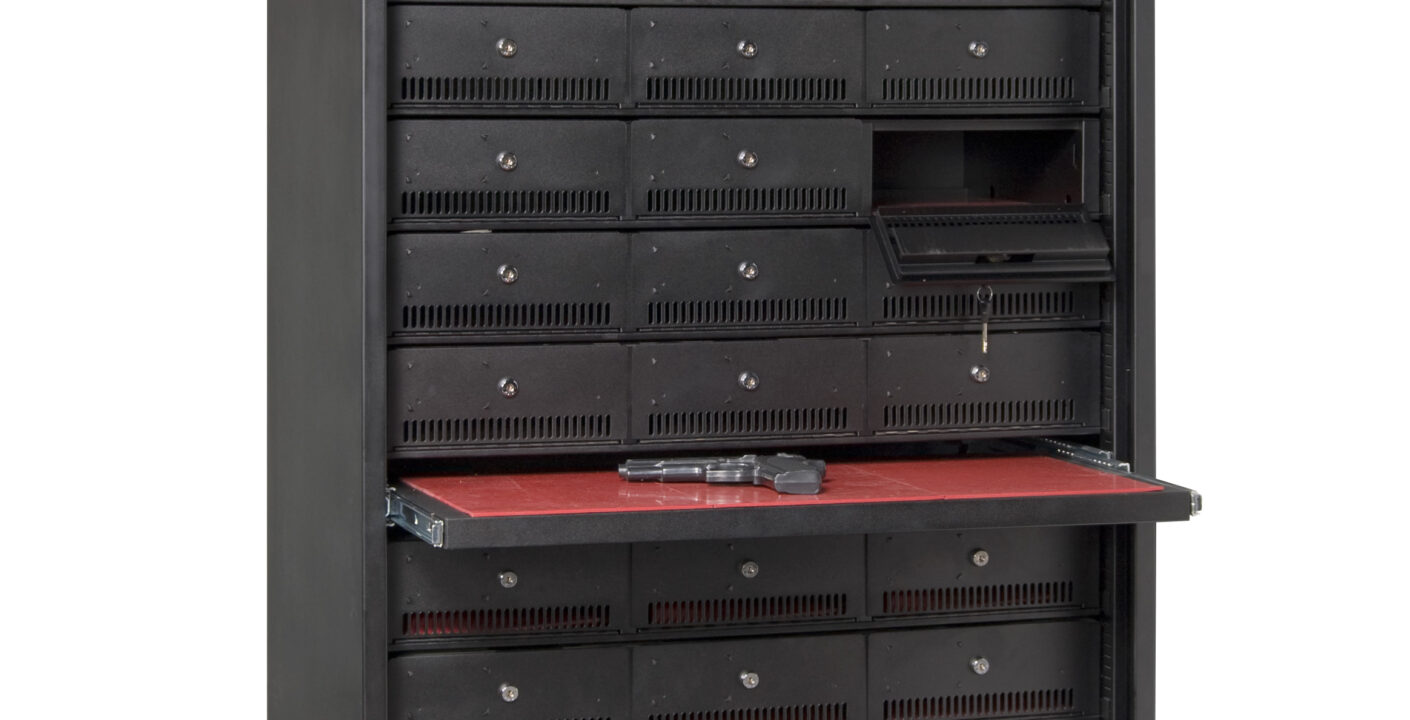
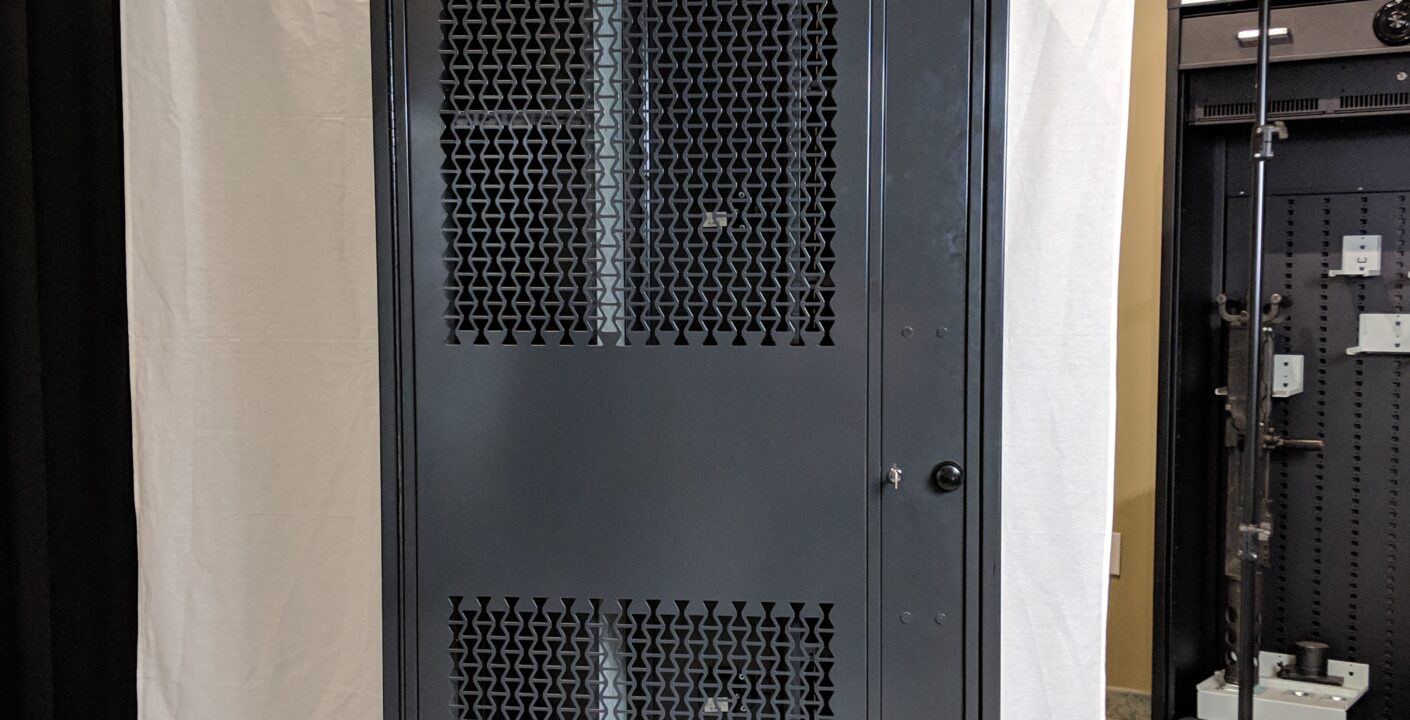
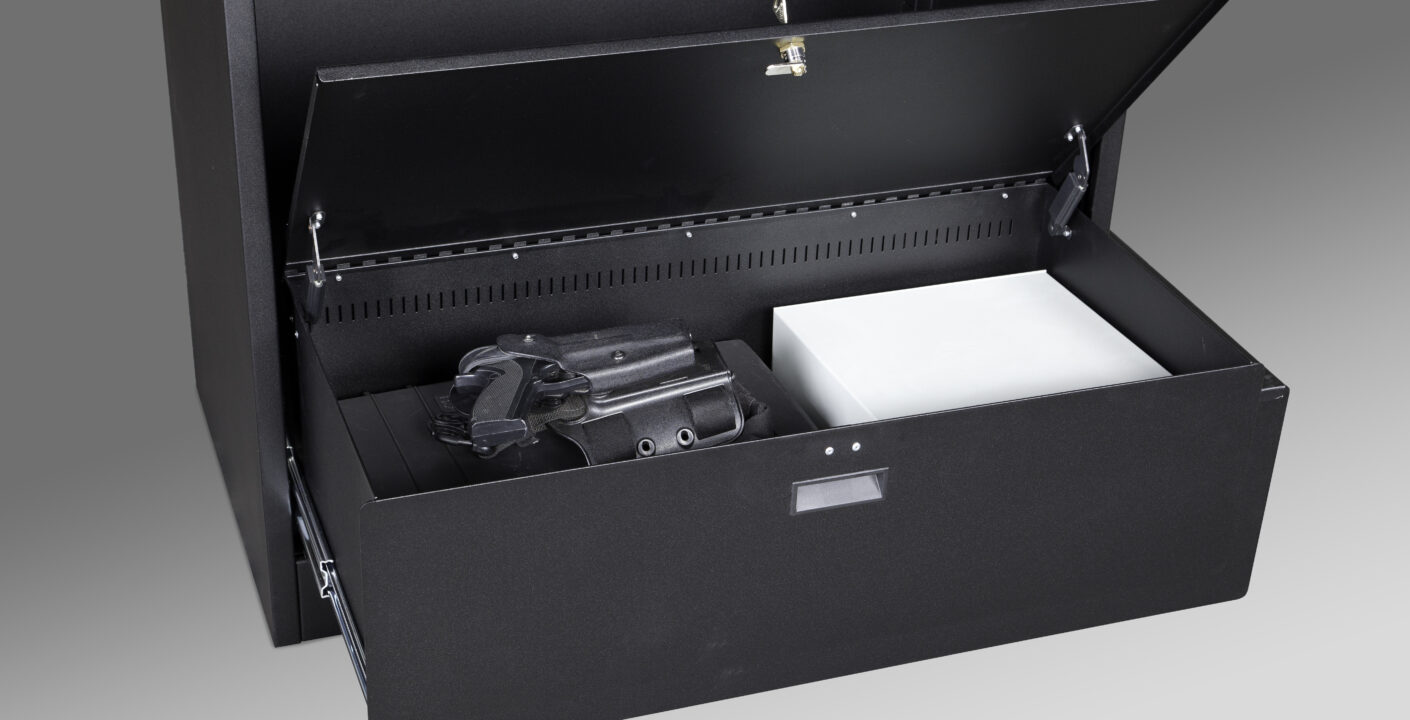
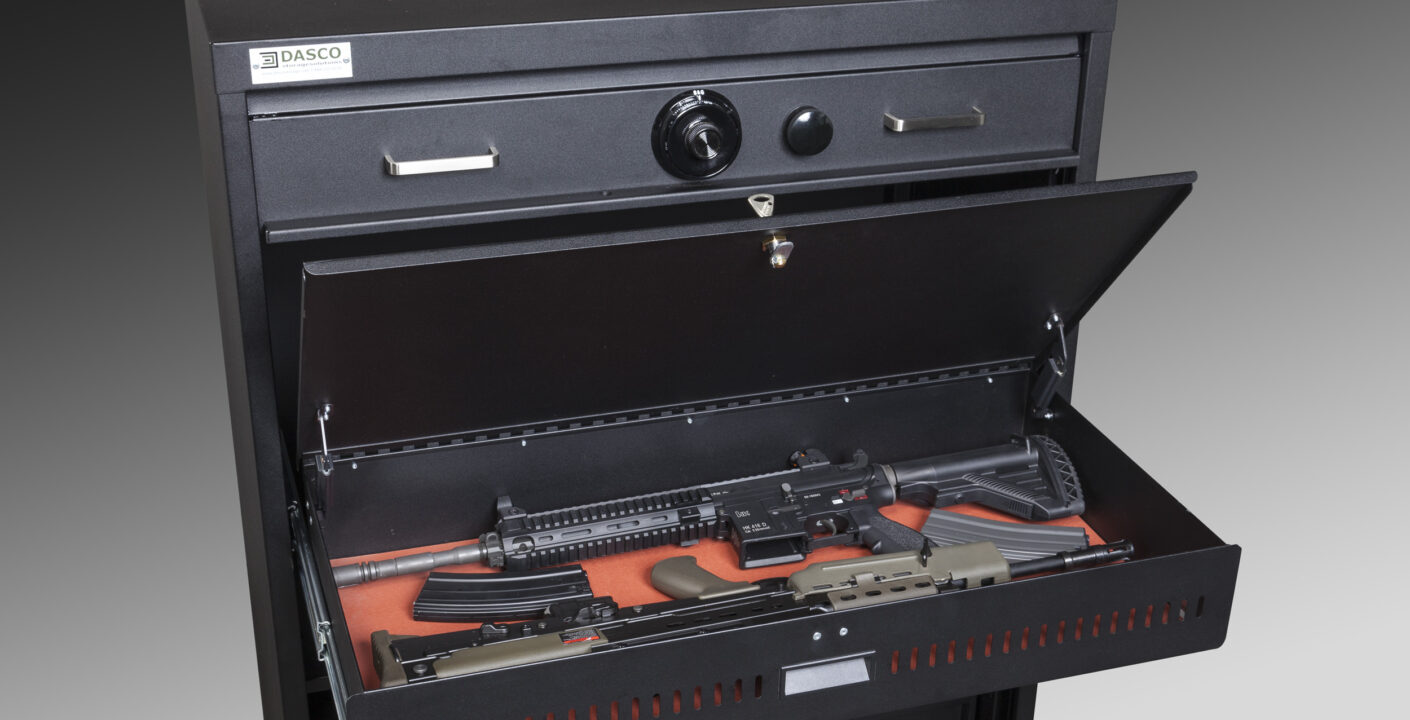
By Duncan Horner, CEO — Arctos Industries For Military professionals: your unit’s chain of command, applicable ARs, DA Pams, and unit SOPs should guide your specific machine gun storage procedures and regulatory compliance requirements. This article focuses on storage specifications and configuration considerations to inform equipment and infrastructure decisions. Machine guns occupy a specific regulatory category in military armory management that most armorers understand in general terms and fewer understand in precise ones. The requirements are stricter than for individual weapons, the accountability consequences for failures are more severe, and the storage infrastructure demands are more specific. Yet machine gun storage is consistently the part of an armory where the gap between regulatory requirement and actual practice is widest. That gap doesn’t usually exist because armorers don’t care about compliance. It exists because machine gun storage requirements are genuinely more complex, the physical storage challenges are more demanding, and the units that get it right have usually invested in infrastructure and process that many armories haven’t prioritized. Why the Regulatory Standard Is Higher The regulatory framework for machine gun storage reflects a straightforward reality: crew-served and automatic weapons represent a categorically different threat profile than individual weapons, and the accountability and physical security requirements are calibrated accordingly. At the federal level, machine guns manufactured after 1986 are heavily restricted for civilian ownership under the National Firearms Act, which means any machine gun that leaves military accountability and enters civilian channels represents not just a military accountability failure but a federal criminal matter. That consequence profile drives the stricter storage and accountability requirements that govern military machine gun storage at every level of command. Within the military regulatory framework, machine guns typically require enhanced physical security measures beyond what applies to individual weapons, more frequent inventory verification cycles, additional dual-custody requirements for certain transactions, and storage configurations that maintain component accountability alongside weapon accountability. The specific requirements vary by service branch and by weapon system, but the consistent theme is that the standard is higher and the tolerance for deviation is lower. Armorers who apply their individual weapon accountability practices to machine gun storage without adjusting for the higher standard are operating with a compliance gap they may not be aware of until an inspector identifies it. Component Accountability: The Most Common Failure Point Machine gun accountability isn’t just weapon accountability. It’s component accountability, and the distinction matters enormously in practice. A crew-served weapon system consists of multiple components that are individually serialized and individually accountable: the receiver, the barrel or barrels, the bolt and bolt carrier group, the tripod or mount, and various other components depending on the specific system. Each of these components has its own hand receipt entry, its own serial number record, and its own accountability requirement. A weapon that is physically present but missing a serialized component is not a present weapon for accountability purposes. It’s a present weapon with a missing component, which is a different and more serious finding. The storage configuration for machine guns needs to reflect this component accountability requirement. A rack that stores the receiver without a designated, adjacent storage position for associated serialized components creates conditions where components get separated from their parent weapon, stored informally in whatever space is available, and eventually become difficult to reconcile against the hand receipt record. Purpose-built machine gun storage configurations provide designated positions for the weapon system and its serialized components together, so the complete accountability picture for each system is maintained in a single, visible storage location. When a weapon is drawn for maintenance or field use, the components associated with it are drawn from the same position and their absence is immediately visible in the storage configuration rather than something that has to be reconstructed from documentation. Explore DASCO military machine gun storage configurations for purpose-built options designed around the component accountability requirements that crew-served weapon storage demands. Physical Security Requirements That Generic Storage Doesn’t Meet The physical security requirements for machine gun storage exceed those for individual weapon storage in most regulatory frameworks, and generic armory storage infrastructure frequently doesn’t meet the higher standard even when it meets the standard for individual weapons. Enhanced physical security for machine gun storage typically means heavier gauge construction, additional locking points, more robust anchor requirements, and in some cases specific vault or safe-equivalent standards depending on the classification of the weapon system and its associated ammunition. The specific requirements should be confirmed against your applicable regulatory guidance, but the consistent principle is that machine gun storage needs to be specified and verified against those requirements explicitly, not assumed to be compliant because it meets the individual weapon standard. Access control for machine gun storage frequently carries dual-custody requirements that don’t apply to individual weapon storage. Dual custody means that access to the storage requires the simultaneous presence and authorization of two qualified individuals, typically the armorer and a commissioned or warrant officer, or two authorized NCOs depending on the unit SOP. A storage system that doesn’t physically support dual-custody access, meaning one that can be opened by a single credential holder, doesn’t meet the dual-custody requirement regardless of what the procedure says. This is a specification point that matters when evaluating storage systems. The access control architecture needs to support dual-custody as a physical requirement, not just a procedural one. A system that logs two users but can be physically opened by either one independently doesn’t enforce dual custody. A system that requires simultaneous presentation of two credentials to open does. Barrel Accountability: A Specific Problem With a Specific Solution Many machine gun systems carry multiple barrels as part of the authorized basic load, and barrel accountability is one of the most consistently problematic areas in machine gun storage management. Barrels are serialized, individually accountable, and physically awkward to store in a way that maintains clear individual identification and prevents commingling between weapon systems. The common failure mode is barrel storage that groups barrels by weapon type without maintaining individual weapon system